
Metal Pooper Scooper Guide: Eco-Friendly Dog Waste Disposal in 2026
Choosing a metal pooper scooper is one of the smartest sustainability moves a dog owner can make in 2026, because a durable tool paired with responsible disposal keeps waste out of waterways and cuts the plastic you burn through every week. Most people assume dog poop simply melts back into the soil, but the truth is messier and far more environmental than that. This guide explains why a metal pooper scooper matters, why dog waste is not fertilizer, and how landfill, compost, and biodegradable bags really compare.
If you care about your lawn, your local creek, and your carbon footprint, the way you scoop and bag matters as much as how often you do it. Let us walk through the science and the practical habits that actually reduce harm.
Why Dog Poop Is Not Fertilizer
Cow manure works as fertilizer because cows eat plants. Dogs eat protein-rich diets, so their waste is acidic, nitrogen-heavy, and loaded with pathogens that scorch grass rather than feed it. Left on a lawn, it creates yellow burn patches and a breeding ground for bacteria.
The U.S. Environmental Protection Agency classifies pet waste as a genuine pollutant, similar to other nonpoint-source contaminants that wash into storm drains. You can read the agency’s guidance directly at the EPA stormwater resource. A single gram of dog waste can contain millions of fecal coliform bacteria.
Those pathogens include roundworms, giardia, and E. coli, several of which survive in soil for years. That is exactly why prompt pickup with a reliable Pooper Scooper metal tool beats letting nature “handle it.”
What happens when waste washes away
Rain carries uncollected waste into gutters, then into rivers and lakes. There the excess nitrogen feeds algae blooms that suffocate fish and degrade drinking water. Eco-friendly disposal starts the moment you pick up, not at the trash can.
Landfill Versus Compost: The Real Comparison
There is no single perfect disposal method, only trade-offs. The best choice depends on your local rules, your yard, and whether your municipality offers organics collection. Below is a clear breakdown many owners use in 2026.
| Method | Environmental Upside | Main Drawback | Best For |
|---|---|---|---|
| Landfill (bagged) | Contains pathogens safely | Bags may not break down; methane | Most urban households |
| Home compost (dedicated) | Diverts waste, builds heat | Must stay separate from food gardens | Yards with space |
| Flushing (where allowed) | Treated at plant | Not for bagged waste; local limits | Single-dog homes |
| In-ground digester | Breaks down on-site | Slow in cold climates | Rural properties |
Composting dog waste is possible, but it must reach high temperatures to kill pathogens and should never touch vegetable beds. The U.S. Department of Agriculture has published detailed protocols; see the USDA for regional composting standards before you start a pile.
Are Biodegradable Dog Poop Bags Actually Better?
This is the question that trips up the most well-meaning owners. Marketing language like “biodegradable,” “compostable,” and “oxo-degradable” means very different things, and some are nearly meaningless in a sealed landfill.
Certified compostable bags only break down in industrial facilities that reach sustained high heat. Toss the same bag into a standard landfill, and it behaves much like conventional plastic because oxygen and microbes are scarce. Choosing a genuinely sturdy, leak-proof Dog poop bag that you actually reuse fewer of often beats a flimsy “green” bag you double up because it tears.
Here is how to read the labels honestly:
- Compostable (BPI-certified): Real if you have industrial composting access.
- Biodegradable (unspecified): Vague; ask over what timeframe and conditions.
- Oxo-degradable: Fragments into microplastics; widely criticized.
- Recycled content: A solid, verifiable win for reducing virgin plastic.
The metal-tool advantage
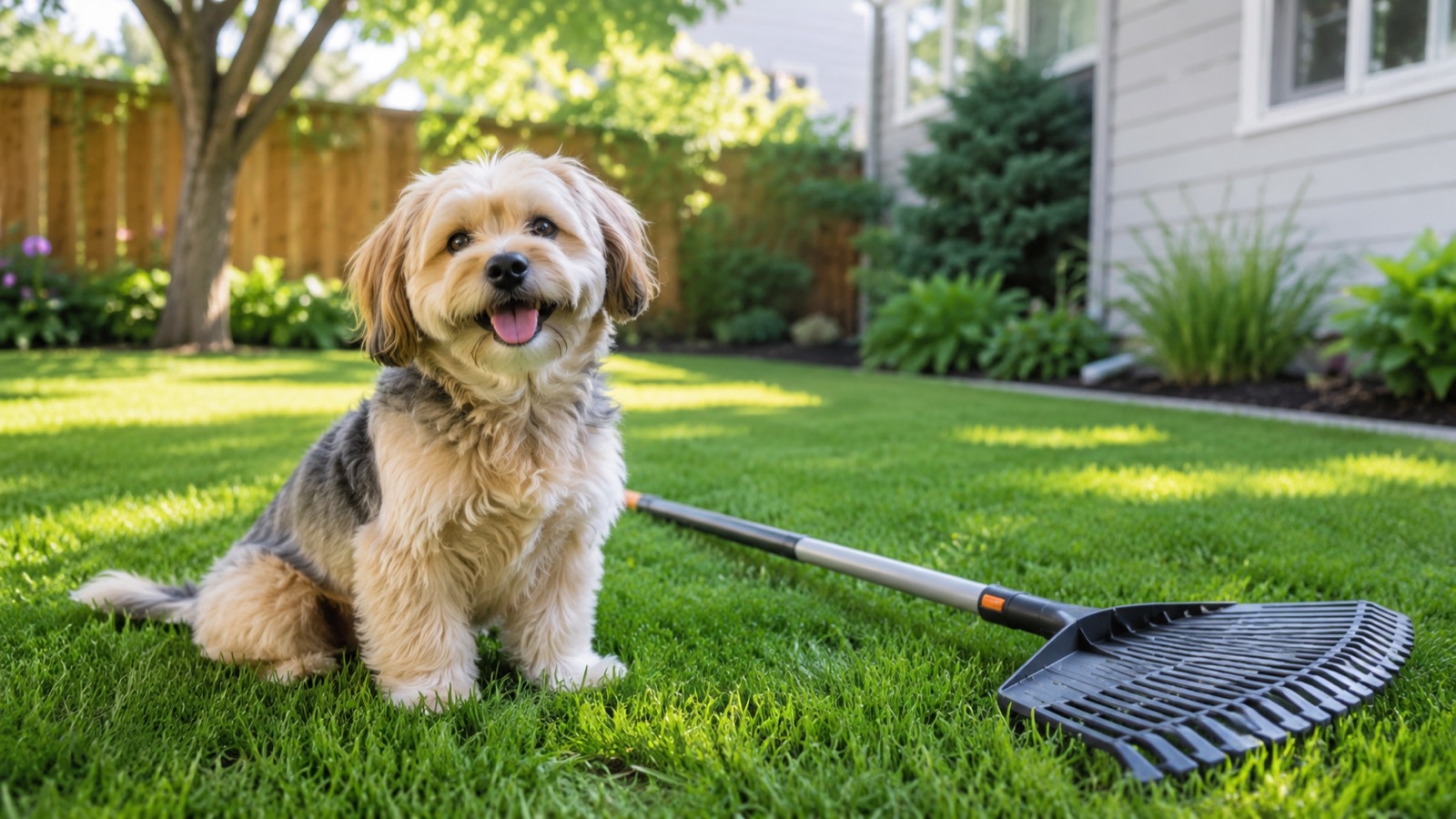
A metal pooper scooper reduces bag dependence entirely for yard cleanups. Instead of wrapping each pile in plastic, you can collect several into one container or a single heavy-duty liner, slashing your weekly plastic count. Durable metal also lasts years, so you avoid the throwaway plastic scoopers that crack after a season.
How to Build an Eco-Friendly Cleanup Routine
Sustainability is a system, not a single product. A repeatable routine keeps waste contained, reduces waste output, and protects your local watershed. Follow these steps to tighten your process this year.
- Scoop daily with a rust-resistant metal tool to prevent runoff buildup.
- Consolidate multiple pickups into one bag instead of one bag per pile.
- Choose bags matched to real disposal access, not vague green claims.
- Keep dog waste out of curbside recycling and yard-waste bins.
- Rinse tools outdoors away from storm drains, never into the gutter.
Small yards benefit from a dedicated bin with a tight lid to control odor between trash days. If you manage a larger property or a shared community space, coordinating with dependable specialists for waste logistics can standardize pickup and reduce contamination.
Cold-weather and seasonal notes
Frozen ground slows every breakdown method, so bagging and landfill often remain the only practical winter route. Plan for a spring cleanup surge when the thaw reveals what snow hid. A sturdy metal scoop handles frozen, stuck waste far better than plastic.
Frequently Asked Questions
Can I put dog waste in my regular compost bin?
No. Never add dog waste to compost meant for edible gardens. It requires a separate, high-temperature system to destroy pathogens, and even then the finished compost should only touch ornamental plants, never vegetables.
Is a metal pooper scooper better than a plastic one?
For durability and sustainability, yes. A metal pooper scooper resists cracking, handles frozen and heavy waste, and lasts for years, so you avoid replacing cheap plastic tools and adding them to landfills.
Do biodegradable dog poop bags break down in a landfill?
Usually not meaningfully. Landfills lack the oxygen, moisture, and heat these bags need. Compostable bags only perform as promised in certified industrial composting facilities, so match your bag choice to your actual disposal access.
Is flushing dog poop environmentally safe?
In many areas, flushing unbagged waste is acceptable because treatment plants process it. However, rules vary, septic systems can struggle, and you must never flush plastic bags. Check your local water authority first.
Conclusion: Scoop Smarter in 2026
Eco-friendly dog waste disposal comes down to three habits: pick up promptly, choose disposal that matches your local reality, and cut plastic where you can. A durable metal pooper scooper anchors that system by lasting for years and reducing your bag count, while honest label-reading keeps you from greenwashed products. Dog poop is a pollutant, not a fertilizer, so treating it seriously protects your family, your lawn, and your watershed.
Ready to upgrade your routine? Explore GoGo Stik’s rust-resistant tools and heavy-duty Dootie bags today, and turn everyday cleanup into a genuinely sustainable habit that lasts well beyond 2026.